 تالار وحدت
 تئاترشهر تهران
 تماشاخانه ایرانشهر
 مجموعه تئاتر لبخند
 خانه نمایش مهرگان
 خانه تئاتر و موسیقی مستقل تهران
 عمارت هما
 عمارت نوفل لوشاتو
 تئاتر هامون
 تالار مولوی
 تماشاخانه سنگلج
 تماشاخانه هیلاج
 تالار هنر
 تالار محراب
 تماشاخانه طهران
 تماشاخانه استاد جمشید مشایخی
 خانه تئاتر
 مجموعه E-ACT
 خانه هنرمندان ایران
 بلک باکس ایرانمال
 خانه نمایش دا
 تماشاخانه همای سعادت

دوره آموزشی›بوطیقای تخیل و رهایی (تأملاتی درباره شعر مدرن)
نظر کاربران اطلاعات مکان
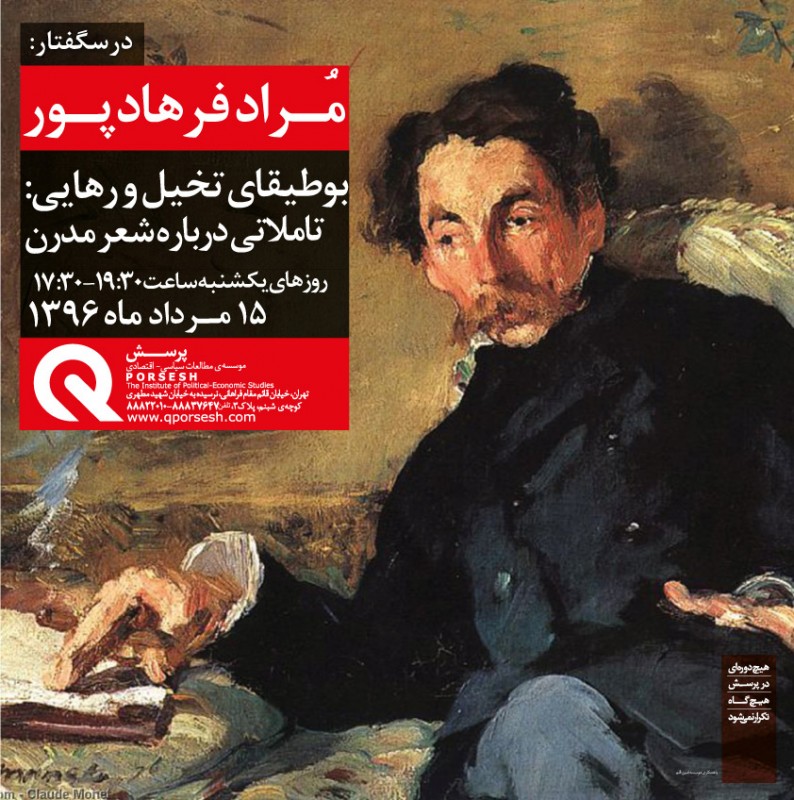
سکوت شاعرانه
تعریف های رقیبی که در سال های اخیر برای «مدرنیته» ارایه کرده اند جملگی به یک ویژگی بنیادی اشاره دارد که بارها و بارها آن را بررسی کرده و درباره اش نظریه ها پرداخته اند، ولی همچنان شایسته ی توجه و تمرکز فکریِ بیشتر است: احساس دوگانه نسبت به زبان، احساس ضد و نقیضی که در هیچ یک از مکتوبات پیش از قرن نوزدهم نظیری برایش یافت نمی شود. از یک طرف، «مدرنیته» ایمان عظیمی به قدرت کلام دارد؛ ولی این ایمان مقهور سوءظنی چنان قوی شده است که هر شکلی از ثبات بالقوه ی زبانی را از پایه سست می کند. این سوءظن در حادترین جلوه هایش به پدیده ای ختم می شود که می توان آن را اضطراب زبانی نامید، حتی پارانویا، پدیده ای که امکان های معناییِ بوطیقا را تهدید به نابودی می کند. حاصل ش تهدید همه جا حاضر سکوت در شعر مدرن – خواه سکوت مضمونی، نحوی، استعاری، خواه سکوت واقعی.
همانطورکه الیوت می نویسد، «کلمات، بعد از کلام، به سکوت می رسند». تحلیل پدیده ی عام سکوت شاعرانه و دو واکنش مدرن بدان – واکنش ریلکه و واکنش مالارمه – نکته های راهگشایی به ما می آموزد، هم در باره ی ایده ی «مدرن بودن» هم درباره ی ذات شعر مدرن و سازوکارهای درونی آن.
ویژگی بارز شعر مدرن در غرب دلمشغولی خودآگاهانه ی آن است به سرحدهای زبان. (۱) مروری اجمالی و بسیار سرسری کافی ست تا پی به حضور این دلمشغولی در شاعران گوناگون ببریم، از استفان مالارمه گرفته تا آرتور رمبو، گیورگ تراکل، راینر ماریا ریلکه، پل والری، والاس استیونس، و اکتاویو پاز – و بسیاری دیگر. درحالی که بعضی شاعران مدرن توقعات بیش از حد از کلام دارند، بسیاری دیگر سوءظن های زبانی شان به حدی ست که مطمین ترین پایه های نحو را هم متزلزل می سازد. هنگامی که پایه های نحو متزلزل شود، ساختار شعر از هم می پاشد و شعر درهای خود را به روی امکان سکوت باز می کند. (۲)
مقاله ای از کریستوفر رولاند تروگان
ترجمه صالح نجفی
پاورقی ها:
(۱) اصطلاح «مدرن» در این مقاله ناظر به ادبیاتی ست که از رمانتیسم اولیه آغاز شد. همانطورکه والاس استراوس می نویسد: «ادبیات مدرن در واپسین دهه ی قرن هجدهم آغاز می شود: ویژگی روح این نوع ادبیات قسمی خودآگاهی شدید و پرتنش است و پای بست ش نوعی احساس پیچیده ی دوگانگی – جدایی نفس از کیهان و جداشدن نفس از نفس – درکنار میل به درمان این شکاف و میل به آغازیدن یک عصر و روح نوین»
(۲) منظور من از «سکوت» بیشتر به نوعی تکنیک و مضمون شعری ست و نه فضاییی واقعا خالی در شعر. سکوت در این مقاله بیشتر صناعتی ادبی یا استعاره است – فرم یا صورت منفی کلام.
«امکان برزبان نامده ی زبان: سکوت شاعرانه در استفان مالارمه و راینر ماریا ریلکه». مقاله ای از کریستوفر رولاند تروگان
Poetic silence
Recent and competing definitions of “modernity” all point to a fundamental characteristic which has been explored and theorized time and again but deserves still more intellectual attention: the ambivalence towards language unparalleled by anything written before the nineteenth century. On the one hand, “modernity” has placed great faith in the power of the word; however, this faith has been overwhelmed with enough suspicion to undermine any potential linguistic stability. In its most extreme manifestation, this results in a phenomenon of linguistic anxiety, even paranoia, which threatens the semantic possibilities of poetics. The resulting threat of silence— whether thematic, syntactical, metaphoric, or literal—is ubiquitous in modern poetry.
As Eliot writes, “words, after speech, reach into silence.” An analysis of the general phenomenon of poetic silence and of two modern responses to it— those of Mallarmé and Rilke—yield significant insights both into the idea of the “modern” as well as into the essence and inner machinations of modern poetry
Modern poetry in the West is notable for its self-conscious preoccupation with the limits of language. (1) The most cursory overview reveals the presence of this preoccupation in poetry as wide ranging as that of Stephen Mallarmé, Arthur Rimbaud, Georg Trakl, Rainer Maria Rilke, Paul Valéry, Wallace Stevens, and Octavio Paz—among many others. While some modern poets placed excessive expectations on the word, many others had linguistic suspicions critical enough to undermine the most secure of syntaxes. When the latter occurs, the poetic structure shatters and the poem opens itself to the possibility of silence. (2)
Notes:
(1). My use of the term “modern” refers to literature from early Romanticism on. As Walter Strauss writes: “Modern literature begins in the last decade of the eighteenth century: the spirit of this literature is characterized by an intense self-consciousness, undergirded by a complex sentiment of duality—the divorce of self from cosmos and division of self from self—along with a desire to heal the breach and usher in a new age and spirit”.
(2). As will become clear through my examination of Mallarmé and Rilke, I mean “silence” as a technique and theme rather than as a literal blank space. I investigate silence as a rhetorical figure or metaphor—a negative form of speech.
The Unspoken Possibility of Language. Poetic Silence in Stéphane Mallarmé and Rainer Maria Rilke. by
Christopher Roland Trogan. http://pivot.journals.yorku.
مکان
خیابان قائم مقام فراهانی، پایین تر از تخت طاووس، کوچه شبنم پلاک ۳ موسسه پرسشتلفن: ۸۸۸۳۷۶۴۷، ۸۸۸۲۲۰۱۰
نقشه بزرگتر و مسیریابی